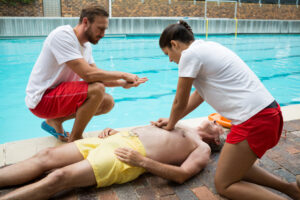
Being a surf life saving volunteer or active patrol member comes with real responsibility. You’re out on the water or scanning the beach, often in challenging conditions, and when something goes wrong, you’re frequently the first responder. That’s why first aid and CPR training are central to what it means to be current in the Surf Life Saving Australia (SLSA) community.
But here’s where it gets a bit complicated: SLSA has its own training pathway, including the Bronze Medallion program. At the same time, there’s the nationally recognised VET qualification system with HLTAID009 (CPR) and HLTAID011 (First Aid). Understanding how these systems relate to each other, what you actually need, and when to renew is important for staying active in your club.
SLSA's Training Requirements
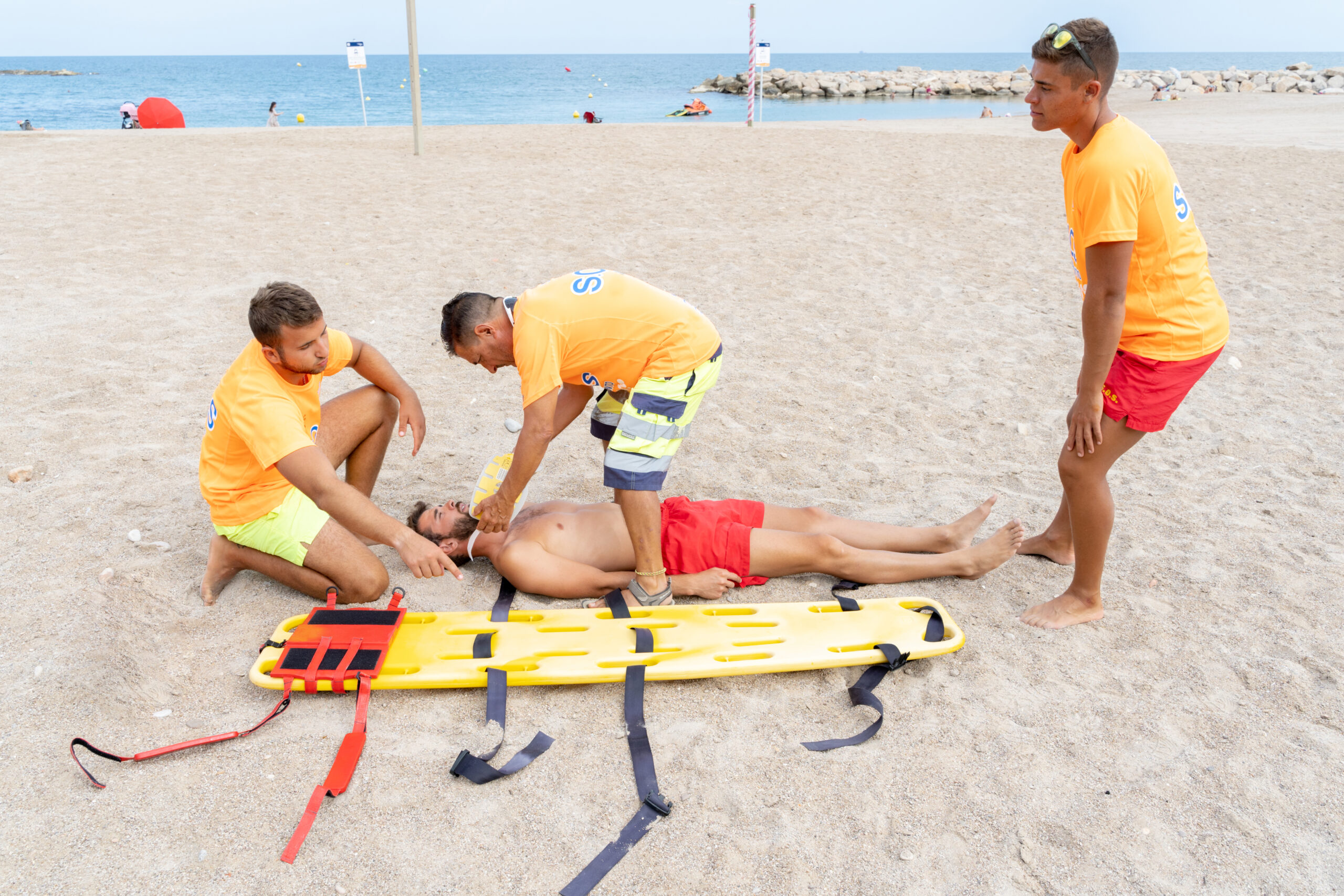
Surf Life Saving Australia is the peak body for lifesaving at beaches and open water across the country. All active patrol members are required to maintain current first aid and CPR competency. This is non-negotiable. When you renew your membership or take on a patrol role, SLSA expects you to have current qualifications.
SLSA delivers its own Bronze Medallion program, which includes training in aquatic rescue, resuscitation, first aid, water safety, and lifesaving theory. The Bronze Medallion is the foundational qualification for patrol members and is delivered by clubs across Australia.
However, SLSA’s own Bronze Medallion training is not always a nationally recognised VET qualification. This can create a situation where you hold current SLSA competency but don’t have a Statement of Attainment from a Registered Training Organisation (RTO). This matters in certain scenarios, which we’ll explore below.
When You Need Nationally Recognised First Aid (HLTAID009 and HLTAID011)
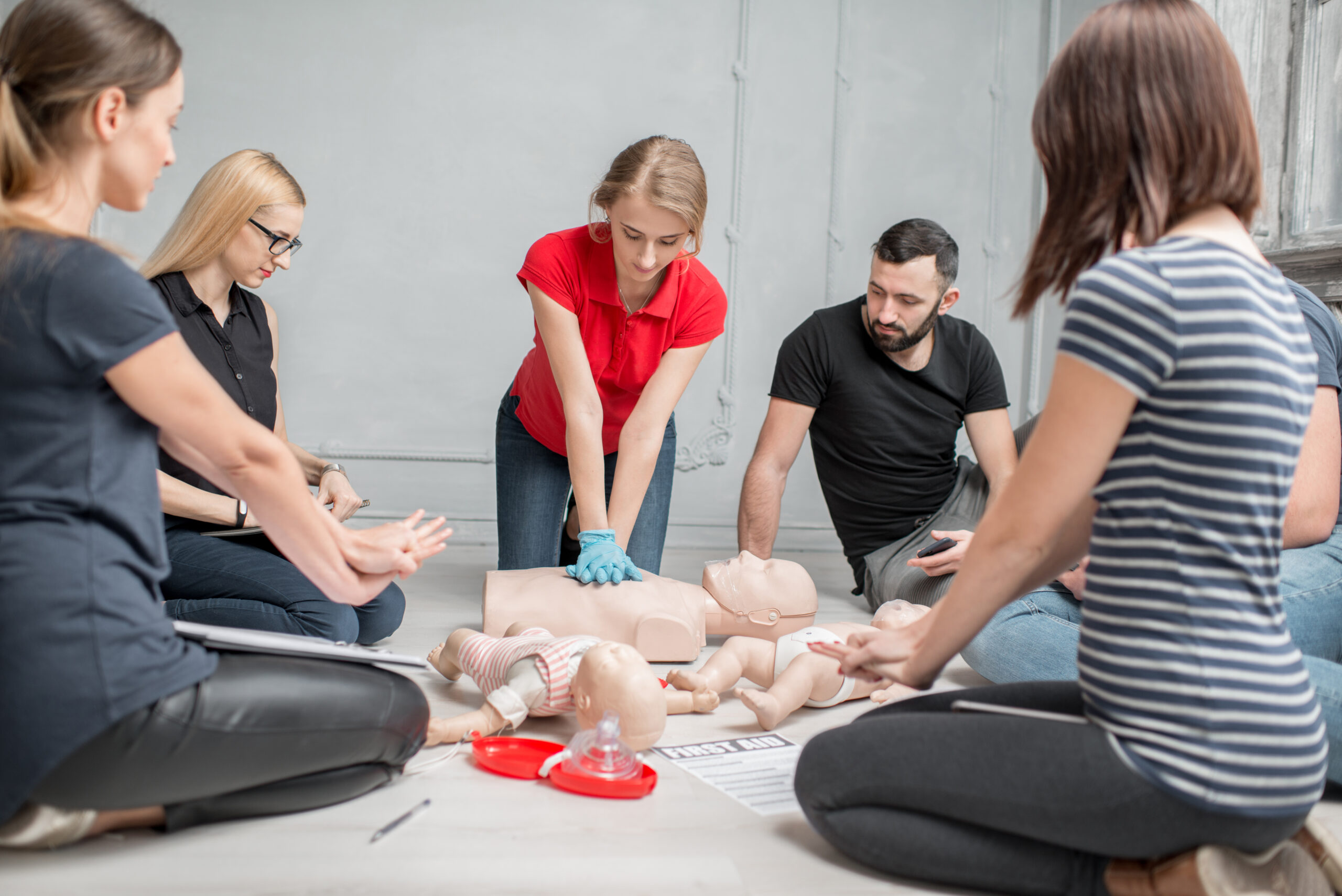
While SLSA training is excellent and specific to the beach lifesaving context, there are situations where a nationally recognised HLTAID009 (CPR) or HLTAID011 (First Aid) qualification becomes essential:
- Employment and Career Progression
If you work in a lifeguard role (pool, beach, water park), in swimming instruction, in aged care, health care, or any role involving first aid responsibility, your employer will likely require a nationally recognised qualification. SLSA Bronze Medallion alone won’t meet employment requirements. You’ll need HLTAID009 or HLTAID011 from an RTO.
- AHPRA Registration and Health Professional Roles
If you’re pursuing registration with health professional bodies (nurses, allied health), AHPRA or your registration body may require a nationally recognised first aid qualification, not just SLSA training.
- Insurance and Liability
Some volunteer organisations and clubs require nationally recognised qualifications to ensure insurance coverage. A volunteer responder who causes harm might face liability questions if they don’t hold a nationally recognised qualification, even if SLSA trained them.
- Interstate and International Recognition
If you move to another state or travel internationally (for example, to work or volunteer overseas), your SLSA credentials may not transfer. A nationally recognised HLTAID qualification is recognised across all Australian states and in many countries.
- Employer Compliance and Duty of Care
Beaches monitored by council-employed lifeguards or private beach safety contractors must operate under Work Health and Safety legislation. These staff are often required to hold HLTAID009 or HLTAID011 from an RTO, in addition to any SLSA training.
CPR Must Be Renewed Annually, Regardless of Pathway
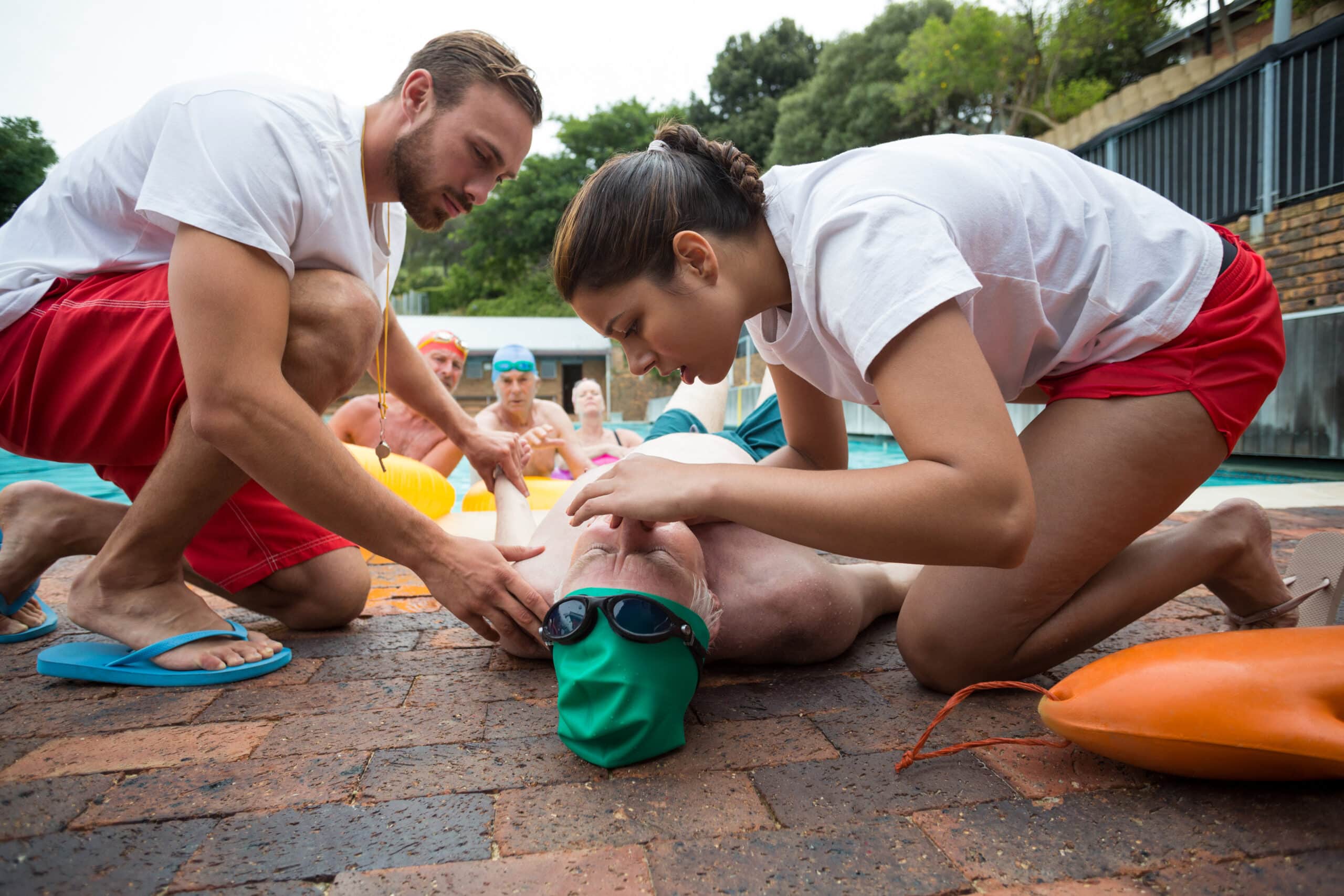
Here’s a critical point that applies whether you’re SLSA trained or hold nationally recognised qualifications: CPR skills must be renewed regularly. Most guidelines, including SLSA’s own, expect CPR to be refreshed annually.
If you hold SLSA Bronze Medallion, your club may require you to renew or refresh CPR skills annually. If you hold HLTAID009 (CPR), its workplace compliance expires after 12 months and must be renewed. If you hold HLTAID011 (First Aid), the CPR component within it is also only valid for 12 months.
The 12-month renewal cycle is consistent across all pathways because CPR skills degrade quickly and the current guidelines occassionally change. Annual renewal ensures you stay sharp and current with best practice.
The Practical Reality for Many SLSA Members
Many surf life savers follow this dual pathway:
- Bronze Medallion or higher through SLSA: This provides context-specific water rescue and beach safety training.
- HLTAID009 (CPR) or HLTAID011 (First Aid) through an RTO like FAP: This provides nationally recognised qualifications for employment, insurance, and interstate recognition.
You don’t have to choose one or the other. In fact, having both strengthens your competence and career prospects. SLSA training gives you beach-specific expertise. Nationally recognised training gives you a broader first aid foundation and formal recognition that’s accepted everywhere.
How Often to Renew
If you’re maintaining both SLSA and nationally recognised qualifications:
- SLSA CPR/First Aid: Renew annually or as required by your club. Check with your club about their specific renewal expectations.
- HLTAID009 (CPR): Renew every 12 months. Cost $59.
- HLTAID011 (First Aid): Renew CPR component annually; broader qualification renews every 3 years. Cost $59 for CPR renewal annually, $109 for full renewal every 3 years.
The good news is that annual CPR renewal takes only 30 minutes of face-to-face practical time with FAP First Aid, so it’s not a huge commitment.
Getting Your Nationally Recognised Qualifications
If you’re an SLSA member and don’t yet hold nationally recognised HLTAID qualifications, or if yours have lapsed, FAP First Aid can help. Here’s the straightforward path:
If you have no RTO qualifications yet:
Start with HLTAID011 (First Aid and CPR). This is broader than CPR alone and will serve you well whether you ever move into paid lifeguard work or just want comprehensive first aid knowledge. The 60-minute practical with FAP costs $109. Then renew CPR annually ($59) or full First Aid every 3 years.
If you only have HLTAID009 and want to upgrade:
Do HLTAID011 to gain the broader first aid competence. Then renew CPR annually within that 3-year window.
If your CPR has lapsed: Renew immediately. HLTAID009 renewal is 30 minutes and costs $59. Book online at fastfirstaidcpr.com.au/calendar/.
Why Seasonal Volunteers Benefit from FAP's Express Courses
Many SLSA members are seasonal volunteers. You might be active in summer months, less active in winter, or perhaps active year-round. FAP First Aid’s express courses work well for this pattern:
- No lengthy, fixed-schedule programs: Online pre-learning fits around your schedule.
- 30-minute practical for CPR: You can fit this in around patrol duties or work commitments.
- 7 days a week, multiple locations: Whether you’re in Sydney, Melbourne, Hobart, Joondalup, or Darwin, there’s a FAP location and time slot that will work.
- Affordable renewal costs: $59 for CPR keeps annual compliance costs down.
If you’re active in summer and want to renew before the season starts, you can book a course in spring and be refreshed for peak patrol time.
Combining SLSA and RTO Pathways
The ideal scenario for a professional or committed surf life saver is to maintain competency through both pathways:
- SLSA Bronze Medallion or higher through your club: This ensures you’re beach-competent, rescue-trained, and current with SLSA standards. Renew or refresh as required by your club.
- HLTAID011 (First Aid and CPR) through FAP First Aid: This gives you a nationally recognised Statement of Attainment. You do the initial HLTAID011 (60-minute practical, $109), then renew CPR annually (30-minute practical, $59 per year).
This dual approach maximises your competence, supports your career prospects if you ever move into paid lifeguard work, and ensures your qualifications are recognised across all Australian states and many countries.

What to Do If Your First Aid or CPR Has Lapsed
If you’re an SLSA member and you’ve let your nationally recognised first aid lapse, or if you’ve never done it:
- Contact FAP First Aid online or phone to check availability in your area.
- Book your course at fastfirstaidcpr.com.au/calendar/.
- Complete the online pre-learning (usually 1-2 hours at your own pace).
- Attend the face-to-face practical (30 minutes for CPR, 60 minutes for full First Aid).
- Receive your Statement of Attainment immediately upon successful completion.
- If your SLSA club also tracks nationally recognised qualifications, provide them with a copy.
Planning Ahead for Your SLSA Season
If you’re a seasonal patrol member, here’s a smart planning approach:
- June or July: Renew your CPR before the summer season starts. A 30-minute practical with FAP keeps you current for the whole season.
- After 3 years: Renew your full HLTAID011 as well.
- Mark your calendar: Set reminders for annual CPR renewal so you never lapse.
This simple planning ensures you stay compliant, your club knows you’re current, and you’re genuinely ready to respond if an emergency occurs.
The Bottom Line
Surf Life Saving Australia requires active patrol members to maintain current first aid and CPR. SLSA’s own training is excellent and beach-specific. Additionally, holding nationally recognised HLTAID009 (CPR) or HLTAID011 (First Aid) qualifications strengthens your competence, supports employment prospects, and ensures recognition across Australia and internationally.
Whether you’re renewing or starting from scratch, FAP First Aid’s express courses are designed for people like you. Book your CPR renewal at fastfirstaidcpr.com.au/calendar/ and stay current and compliant.
Related reading
- ANZCOR Guideline 10.1 – Basic Life Support Training
- Surf Life Saving Australia (SLSA) – Lifesaving CPR
- Australian Resuscitation Council (ARC) – Official Guidelines
- ANZCOR (Australian & New Zealand Committee on Resuscitation) – Guideline 8 – Cardiopulmonary Resuscitation (CPR)
FAQ
Do SLSA patrol members need nationally recognised first aid qualifications?
SLSA requires all active patrol members to maintain current first aid and CPR, which can be delivered through SLSA training. However, if you work in a paid lifeguard role, pursue health professional registration, or need interstate recognition, you’ll also need nationally recognised HLTAID009 or HLTAID011 from a Registered Training Organisation (RTO).
Is SLSA Bronze Medallion the same as HLTAID?
How often must CPR be renewed for SLSA volunteers?
Can I use SLSA training for paid lifeguard work?
SLSA training is excellent, but many paid lifeguard employers also require a nationally recognised HLTAID009 (CPR) or HLTAID011 (First Aid) qualification. Always check your employer’s requirements.
What's the cost and time for CPR renewal with FAP First Aid?
HLTAID009 (CPR) renewal costs $59 and takes 30 minutes for the face-to-face practical. You complete online pre-learning at your own pace beforehand. Full First Aid (HLTAID011) is $109 and takes 60 minutes for the practical.
Can I renew my CPR before it expires?
Yes. Early renewal is recommended, especially for seasonal volunteers. You can renew your CPR within a few months of your current certificate expiring and not worry about lapses.