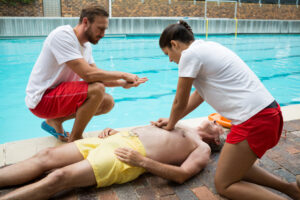
If you’re a personal trainer in Australia, holding current first aid and CPR certificates isn’t optional: it’s a professional requirement. Industry bodies, insurers, and workplace health and safety laws all expect your credentials to be current. But the personal trainer first aid requirements can feel confusing. Do you need HLTAID009 (CPR only) or HLTAID011 (full first aid)? When do they expire? What happens if your CPR lapses while your first aid certificate is still valid?
This guide covers exactly what Australian personal trainers need to know about first aid compliance, so you can train with confidence and avoid common compliance gaps.
Why First Aid Certification Matters for a Personal Trainer
Working as a personal trainer puts you in a position of responsibility. You’re guiding clients through physical exertion, spotting movements, and sometimes working in high-intensity environments. If a client collapses, suffers an injury, or experiences a medical emergency, your ability to respond quickly and correctly could be the difference between a good outcome and a critical one.
From a legal standpoint, Australian workplace health and safety legislation requires anyone supervising physical activity to be competent in first aid. Your professional indemnity and public liability insurance will also specify first aid certification as a condition of cover. Exercise & Sports Science Australia (ESSA) and Fitness Australia both require their members to hold current first aid and CPR certificates as part of their professional registration.
In short: current first aid certification protects your clients, your business, your insurance, and your legal standing as a fitness professional.
What Industry Bodies Require
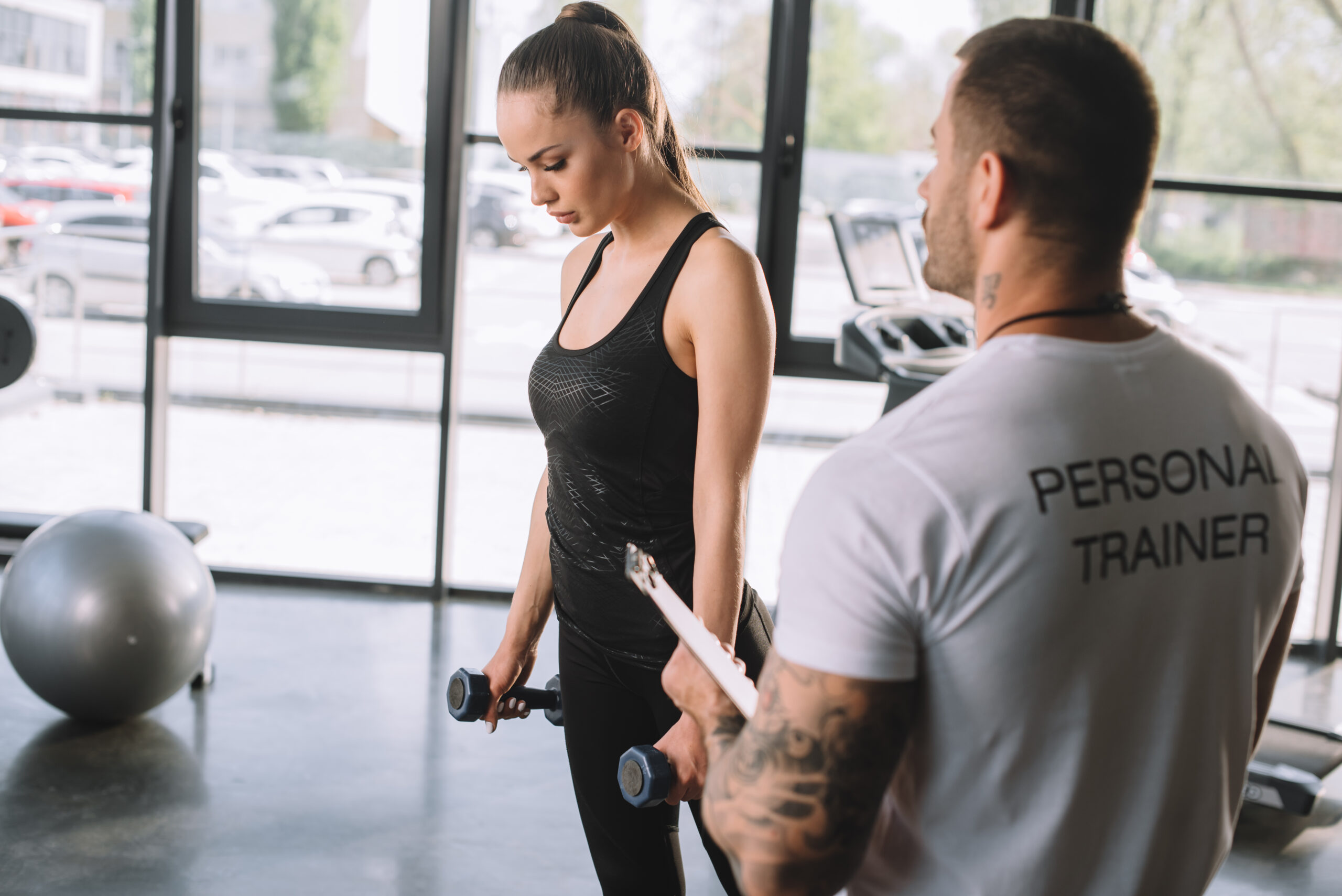
Exercise & Sports Science Australia (ESSA)
ESSA accredits Exercise Physiologists, Clinical Exercise Physiologists, and Accredited Exercise Scientist members. All ESSA members must hold:
- HLTAID011 (First Aid) currently valid
- HLTAID009 (CPR) currently valid
HLTAID011 is valid for three years, but the CPR component (HLTAID009) must be renewed annually. This is the most common compliance gap: trainers let their CPR lapse while their HLTAID011 remains within the three-year window.
Fitness Australia (Exercise Australia)
Fitness Australia members working as personal trainers must hold:
- HLTAID011 (First Aid) currently valid
- Current CPR certification (which falls under HLTAID009)
Fitness Australia also recommends HLTAID012 (Childcare First Aid) if you work with young clients in group or childcare settings.
What Your Insurer Requires
Most professional indemnity and public liability insurers for personal trainers will specifically require:
- HLTAID011 (First Aid Certificate) valid at the time of claim
- HLTAID009 (CPR) valid at the time of claim
Some insurers will ask for both certificates to be provided at the time of policy renewal, or they may audit your credentials. If you’re ever involved in an incident and your CPR has expired, even though your HLTAID011 is current, your insurer may deny a claim. The annual CPR renewal is not optional.
Understanding HLTAID009 vs HLTAID011
Here’s the key difference:
Aspect | ||
|---|---|---|
What it covers | Cardiopulmonary resuscitation, AED use, response to cardiac arrest | Full first aid: CPR, AED, wound management, choking, shock, seizures, burns, fractures, poisoning, and more |
Duration of validity | 12 months | 3 years |
Does CPR component expire at 12 months? | Yes, standalone | Yes, even inside the 3-year HLTAID011 window |
Meets industry requirement? | No, not alone | Yes, includes CPR and much more |
Meets insurer requirement? | No, not alone | Yes |
Best for | Quick annual renewal; complement to HLTAID011 | Comprehensive certification; the standard for fitness professionals |
The critical point: HLTAID011 includes CPR training, but the CPR component must be updated annually through a HLTAID009 renewal or a new HLTAID011 course. You cannot rely on a three-year-old HLTAID011 and claim your CPR is still current.
Your Compliance Checklist
To remain compliant as a personal trainer in Australia:
Hold HLTAID011 and ensure it's currently valid (3-year validity).
Hold current HLTAID009 or renew your CPR component annually, even if your HLTAID011 hasn't expired.
Check expiry dates regularly. Mark your calendar for renewal 30 days before expiry.
Notify your insurer if your certification lapses, even briefly.
Keep copies of your certificate with your business records and your insurer.
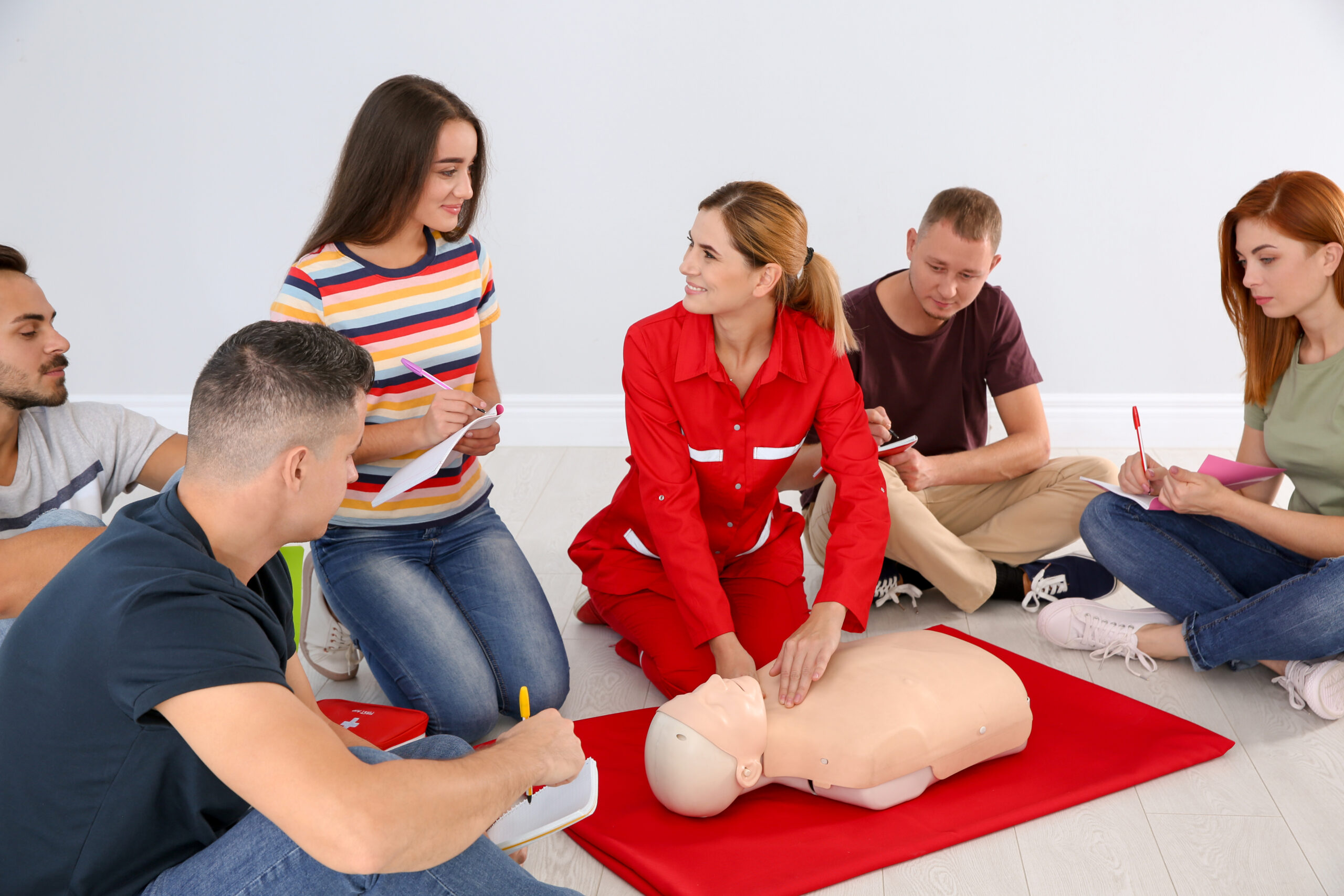
Renewal: Making It Fast and Convenient
Many personal trainers worry that renewal will eat into their busy schedule. That’s where express first aid courses come in.
FAP First Aid offers blended learning: you complete the knowledge component online at your own pace, then attend a short practical session with an assessor. For HLTAID009 (CPR), the practical is just 30 minutes. For HLTAID011, the practical is 60 minutes. Both can be scheduled at times that suit your calendar, across multiple locations in Australia.
Instead of taking a full day away from your PT business, you can renew your CPR on your day off in 30 minutes, or knock out your full first aid renewal in an hour. Courses run seven days a week, with locations in Queensland, South Australia, New South Wales, Victoria, Tasmania, the Northern Territory, and Western Australia.
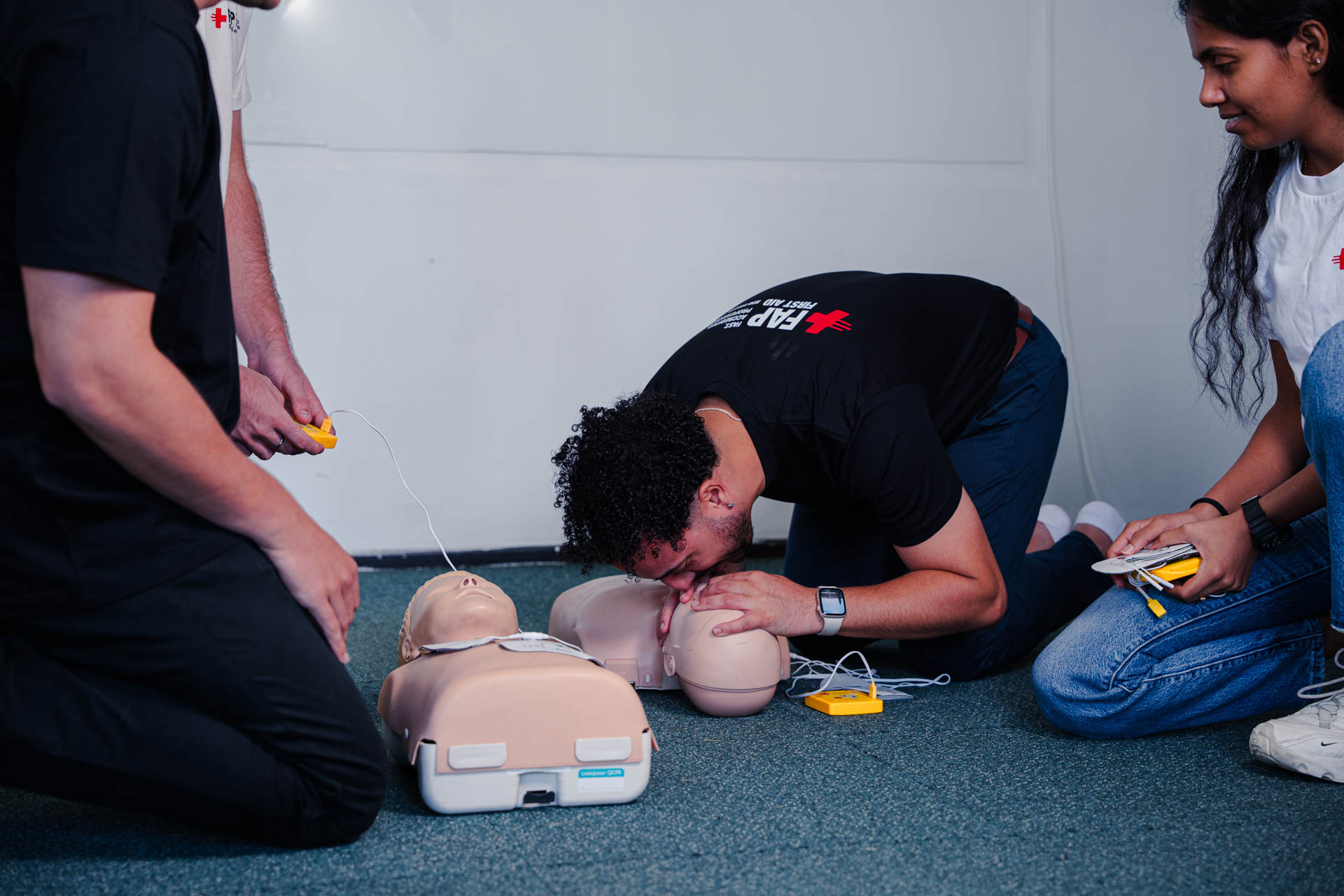
Common Questions About PT First Aid Requirements
Q: Can I just renew my CPR and skip the full First Aid course? A: You can renew your CPR annually, which is required. However, HLTAID011 (full First Aid) is the standard that industry bodies and insurers prefer. Many PTs maintain both: keep HLTAID011 current every three years and renew HLTAID009 annually in the off years. This ensures comprehensive coverage and meets all compliance requirements.
Q: What if my HLTAID011 is current but my CPR has expired? A: You are out of compliance. Your CPR component has lapsed, and your insurer may not cover you in an incident. Renew HLTAID009 immediately, even though your HLTAID011 is still valid.
Q: Do I need HLTAID012 (Childcare First Aid)? A: HLTAID012 is required if you work with children in a childcare or early education setting. If you run junior PT groups, kids’ fitness classes, or offer services in a childcare environment, yes. If you only work with adults, HLTAID011 is sufficient.
Q: How much does renewal cost? A: HLTAID009 (CPR) renewal is $59, and HLTAID011 (First Aid) renewal is $109. Both include the online pre-learning and practical assessment.
Q: How long does the renewal take? A: The practical component is 30 minutes for CPR and 60 minutes for First Aid. The online pre-learning usually takes 1 to 2 hours and can be done whenever it suits you.
Book Your Renewal Today
Don’t let your certification lapse. Even a one-week gap can affect your insurance coverage and your ability to work legally. FAP First Aid makes renewal straightforward: book your practical session online at fastfirstaidcpr.com.au/calendar/, complete the pre-learning when you’re ready, and attend your practical at a time and location that suits you.
Your first aid certification is a core part of your professional identity. Keeping it current protects your clients, your business, and your peace of mind.
Related reading
- AUSactive – Australia’s peak body for the exercise and active health sector
Healthdirect – Fitness and exercise
Australian Institute of Fitness – Australian Institute of Fitness: Personal Training & Fitness …
- ESSA – Exercise and Sports Science Australia
FAQ
What first aid certificates do personal trainers in Australia need?
A: Personal trainer in Australia typically needs HLTAID011 (First Aid Certificate) to be currently valid. HLTAID011 includes CPR training, but the CPR component must be renewed annually through HLTAID009 (CPR renewal) to stay compliant with industry bodies and insurers.
How long is HLTAID011 valid?
The HLTAID011 Provide First Aid certification is valid for 3 years (36 months).
However, the CPR component within HLTAID011 must be renewed annually, meaning you need to renew HLTAID009 (CPR) every 12 months even if your three-year HLTAID011 is still current.
What do Exercise Australia and ESSA require for personal trainers?
Both Exercise Australia and ESSA (Exercise & Sports Science Australia) require their member personal trainers to hold currently valid HLTAID011 (First Aid) and HLTAID009 (CPR). The CPR component must be renewed annually.
Will my insurer cover me if my CPR has expired but my HLTAID011 is still valid?
No. Most professional indemnity and public liability insurers for personal trainers require both HLTAID011 and current HLTAID009 (CPR) at the time of any claim. If your CPR has expired, your insurer may deny a claim even though your HLTAID011 is within its three-year window.
Can I renew my CPR without taking the full First Aid course again?
Yes. You can renew HLTAID009 (CPR) as a standalone certification every 12 months. This takes 30 minutes for the practical component and is a quick way to keep your CPR current between your three-yearly HLTAID011 renewals.
FAP First Aid is a Registered Training Organisation (RTO 46449) approved by the Australian Skills Quality Authority (ASQA) to deliver nationally recognised training in First Aid and CPR. All our courses meet the requirements of Exercise Australia, ESSA, and professional insurers for fitness professionals and personal trainers. Certifications are valid across Australia and internationally.