Table of Contents
What is World Drowning Prevention Day?
World Drowning Prevention Day is a global awareness day held every year on 25 July. The United Nations General Assembly established it in April 2021 through its first resolution on global drowning prevention, and the World Health Organization coordinates it globally.
The day is dedicated to raising awareness of the impact of drowning. One aim is to remember those lost to drowning. The other is to push governments, services, and the public toward steps that reduce drowning.
The Drowning Facts and Figures in Australia
World Drowning Prevention Day is a response to the hundreds of families who lose loved ones to drowning every year. The National Drowning Report 2025 from Royal Life Saving Australia and Surf Life Saving Australia recorded 357 drowning deaths in the 12 months to June 2025, the highest number since national records began and 27 per cent above the ten-year average.
Most drowning deaths occur in open water. Coastal sites, including beaches, ocean, and rocks, accounted for 43 per cent, and rivers were the most common inland location. Swimming pools made up around one in ten. Rip currents are the leading hazard at the coast, behind more than one in three beach drowning deaths.
Adults aged 65 and over made up the largest share of victims, one in three of the total. Drowning rates rise again through the teenage years, with the sharpest increase among people aged 15 to 24.
Ways to Take Part in World Drowning Prevention Day 2026 This 25 July
Communities across Australia mark World Drowning Prevention Day by going blue. On the evening of 25 July, landmarks turn blue as a reminder that anyone can drown, and that drowning is preventable.
Light your home, workplace, or a local landmark in blue.
Wear blue, or host a blue-themed morning tea or fundraiser.
Post a water safety message or your own story on social media, tagged #WorldDrowningPreventionDay.
Support a water safety body such as Royal Life Saving or Surf Life Saving by donating or volunteering.
Both organisations publish free campaign resources for the day, from posters to downloadable social media posts.
Help Save a Life: Take Action to Prevent Drowning
Prevention is the point of World Drowning Prevention Day. The right actions keep you safe around water.
Swim between the red and yellow flags at patrolled beaches, and avoid heading out alone.
Do not drink when going out on the water.
Wear a lifejacket whenever you are boating, paddling, or rock fishing.
Watch children every moment they are near water, and stay within arm’s reach of toddlers and babies.
Check that your pool fence is in good repair and that the gate swings shut and latches on its own.
Learn to swim, and enrol the children in your life in swimming lessons.
Water Safety, Rescue, and First Aid for Drowning
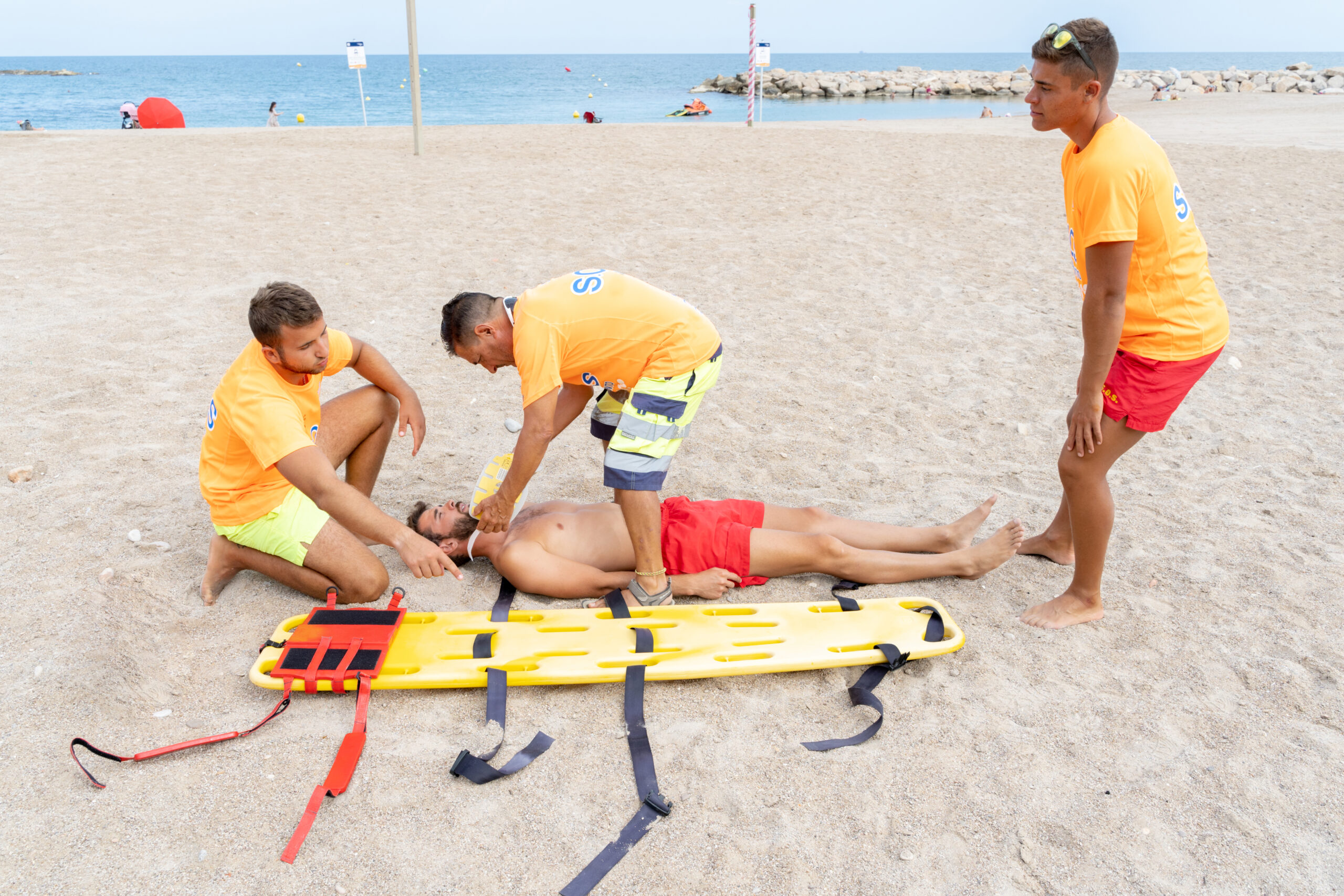
Rescue and resuscitation are the lifesaving side of World Drowning Prevention Day, and both begin the moment you spot someone in trouble. A person who is drowning may not look the way people expect. They can be unable to call out or wave, using all their effort to keep their mouth above the surface, and they may go under within a minute.
If you see someone in trouble, the safest help comes from dry land. Reach out with a pole, branch, or paddle, or throw a rope or anything that floats, and pull the person in. Go into the water only as a last resort. A panicking swimmer can push a rescuer under and create a second casualty. Call triple zero (000) as early as you can, or send someone else to call while you help.
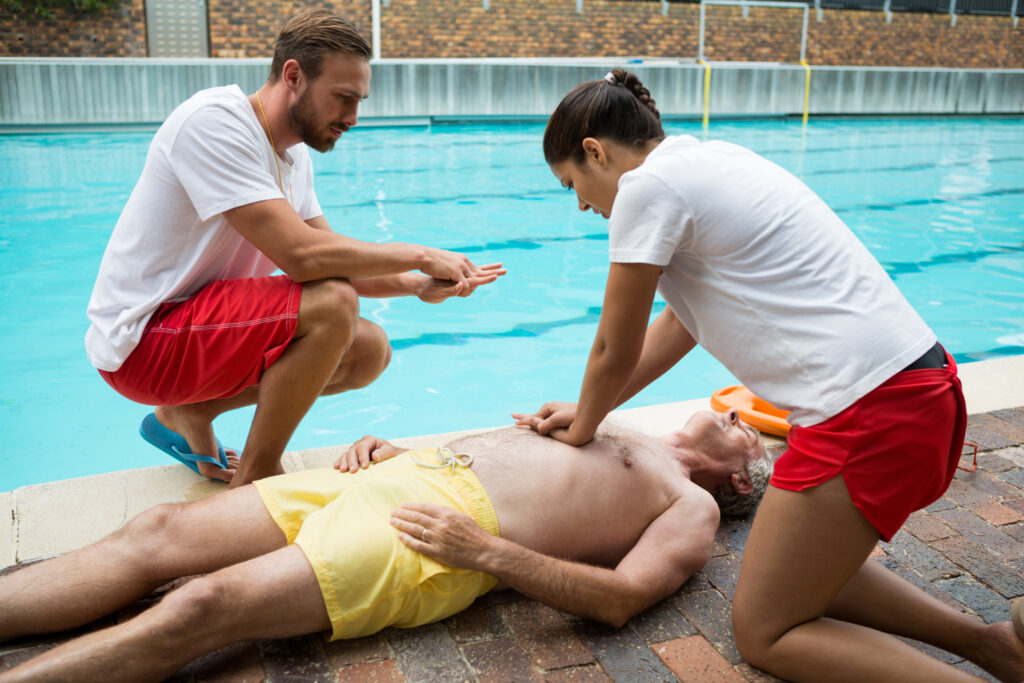
Once the person is out of the water, if they are unresponsive and not breathing normally, start CPR straight away, with 30 chest compressions followed by 2 rescue breaths. Keep going until the person recovers or paramedics take over. Make sure an ambulance is on the way even if the person seems fine afterwards.
Enrol in First Aid Training
Preventing a drowning comes down to a person who knows what to do. The surest way to be ready is to practise compressions and rescue breaths in a first aid course. Your readiness in those first few minutes is what can save a life.
FAQ
What Should You Do if You Are Caught in a Rip Current?
Don’t fight, stay calm and float to keep your head above water, and raise one arm to signal for help. If you are a strong swimmer, swim parallel to the beach to leave the rip before heading in.
Are Inflatable Floaties Safe for Young Children?
Inflatable toys and arm bands are not safety devices. They can deflate or slip off without warning, and they hold a child upright rather than in a floating position. They are designed to help children and young people learn to swim, not keep them safe from drowning.
How Often Should You Refresh Your CPR Skills?
In Australia, CPR refresher training should be taken every 12 months.